
If there is one thing that will enthrall both travellers and food lovers, it is the beauty and taste of Vietnamese cuisine! The balance of taste, texture, and aroma of Vietnamese food is superbly interwoven with fresh herbs and spices, rich broth, fine noodles, and the combination of sweet, sour, salty, and bitter. It is not merely food, but rather culture, history, and society served on the plate.
Whether it is a steaming bowl of pho (soup) on a cold morning or a crusty bánh mì sandwich with pickled vegetables and delicate meats, Vietnamese cuisine is recognized as an unforgettable journey into a land where food is soul and identity.
A Culinary Heritage Rooted in Balance and Freshness
What makes Vietnamese cuisine truly unique is its deep philosophy of balance, of Yin and Yang, of textures and temperatures, of colours and flavours. Unlike many other Asian cuisines that lean heavily on oil or spices, Vietnamese food emphasizes freshness and lightness.
Herbs like mint, cilantro, lemongrass, and Thai basil play an essential role. Fish sauce, the salty soul of Vietnamese cooking, adds depth to almost every dish, while rice—in its many forms—serves as the backbone of daily meals. From rice noodles in pho to rice paper in spring rolls and steamed rice in family feasts, every meal showcases how versatile this simple grain can be.
The influence of history is also evident. Chinese techniques like stir-frying and the French introduction of baguettes and coffee have left permanent marks on the country’s culinary identity. The result is a cuisine that’s both ancient and modern, humble and elegant.
Pho – The National Treasure
No exploration of Vietnamese food is complete without mentioning pho, the iconic noodle soup that represents comfort and tradition. Originating in Northern Vietnam, pho typically consists of flat rice noodles served in a clear, fragrant broth made by simmering beef bones, star anise, cloves, and cinnamon for hours.
The most common versions are pho bò (beef pho) and pho gà (chicken pho), but regional variations abound. In Hanoi, pho is simpler and subtler, while in Saigon, it’s sweeter and comes with a generous basket of herbs, bean sprouts, lime, and chili.
Pho is not just breakfast—it’s a way of life. Locals and travellers alike gather at small roadside stalls in the early morning, slurping noodles and broth in perfect harmony. It embodies everything that makes Vietnamese cuisine remarkable: simplicity, balance, and community.
Bánh Mì – The Vietnamese Sandwich with a French Twist
Bánh mì tells the story of Vietnam’s colonial past and its culinary creativity. When the French introduced baguettes in the 19th century, Vietnamese bakers transformed them into a lighter, crispier version. The result was a bread that became the foundation of one of the world’s most beloved street foods.
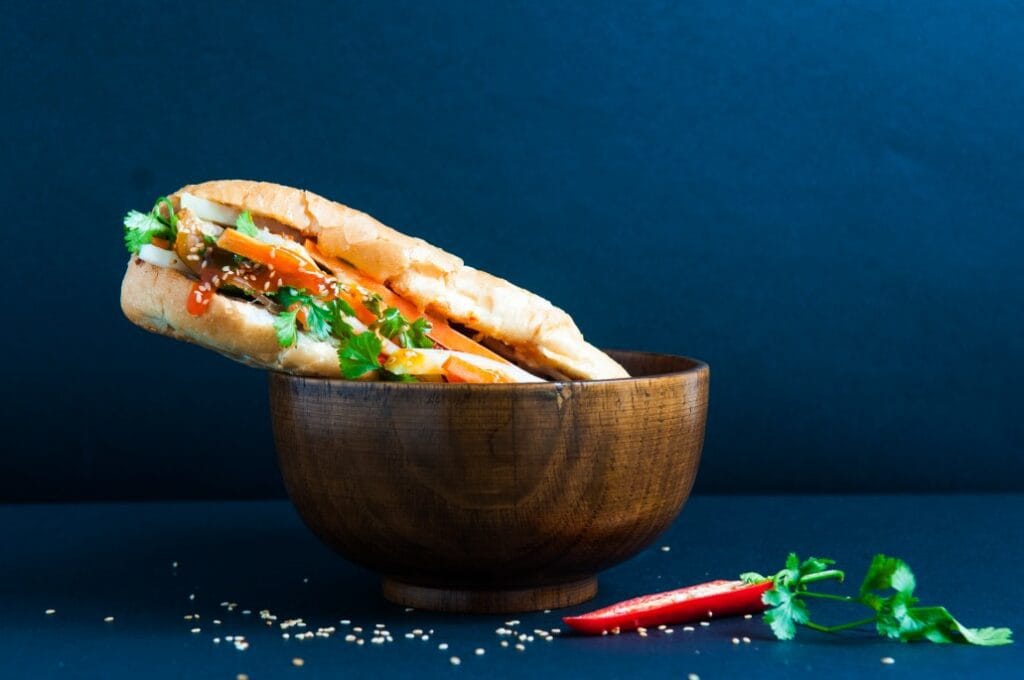
Stuffed with grilled pork, pate, pickled carrots and daikon, cucumber slices, cilantro, and chili, bánh mì offers a taste explosion in every bite. Each region adds its twist, Hue might serve a spicy version, while Saigon’s is packed with meats and sauces.
Affordable, portable, and delicious, bánh mì is a symbol of modern Vietnam—a blend of old-world charm and new-world innovation.
Goi Cuon – The Fresh Spring Roll
For those who prefer something light yet flavourful, goi cuon or fresh spring rolls are a perfect choice. These translucent rice paper rolls are packed with shrimp, pork, vermicelli noodles, lettuce, and herbs. Unlike deep-fried spring rolls, goi cuon is served fresh and paired with hoisin-peanut dipping sauce or fish sauce for that extra kick.
These rolls are not only healthy but also fun to make. Families often gather to roll their own at the table, turning a simple meal into a social experience—another hallmark of Vietnamese cuisine.
Bun Cha – The Charcoal Grilled Delight
If you ever find yourself in Hanoi, you can’t miss bun cha—a dish of grilled pork patties and slices served with rice noodles, herbs, and dipping sauce. The smoky aroma of the meat mingling with the freshness of herbs makes this dish a local favourite.
Bun cha reflects the Vietnamese philosophy of combining grilled, fresh, and fermented flavours in one bowl. It’s light enough for lunch yet satisfying enough for dinner, showcasing the versatility that defines Vietnamese cooking.
Bún Bò Huế – The Spicy Heart of Central Vietnam
Originating from the ancient imperial city of Hue, bún bò Huế offers a bolder and spicier experience than pho. The broth, rich with lemongrass, shrimp paste, and chili oil, delivers layers of complexity. Served with thick round rice noodles, tender beef shanks, and sometimes pork hock, it’s a bowl full of history and passion.
This dish represents Central Vietnam’s love for bold flavours and meticulous preparation. While it’s less known internationally than pho, it’s a favourite among locals who crave its deep, aromatic taste.
Vietnamese Coffee Culture
Beyond food, coffee holds a sacred place in daily Vietnamese life. Whether enjoyed hot or iced, Vietnamese coffee (cà phê sữa đá) is rich, dark, and robust, brewed using a traditional metal drip filter known as phin. Sweetened condensed milk adds creaminess, balancing the coffee’s boldness.
Sitting at a small café, watching scooters pass by as you sip your coffee, is one of the most authentic Vietnamese experiences. Coffee isn’t just a drink—it’s a cultural ritual, a moment of calm amid the chaos of city life.
The Role of Street Food in Vietnamese Cuisine
Street food is the heart of Vietnamese cuisine. Every city, town, and village has its signature snack or meal, often prepared by vendors who’ve perfected their recipes over generations. From the bustling night markets of Ho Chi Minh City to the quiet alleyways of Hoi An, the aroma of grilled meats, sizzling crepes (bánh xèo), and steaming noodles fills the air.
Eating on the street isn’t just convenient—it’s a way to connect with people and culture. You share small tables, chat with locals, and discover that the best flavours are often found in the simplest settings.
The Art of Balance in Every Meal
A traditional Vietnamese meal is more than just a combination of dishes, it’s a balance of flavours, textures, and nutrition. Meals typically include rice or noodles, a protein dish, vegetables, soup, and dipping sauces. The use of fresh herbs and minimal oil makes it one of the healthiest cuisines in the world.
Vietnamese cooks pay close attention to harmony, sweet balancing sour, spicy complementing salty, hot contrasting cool. This philosophy ensures that every meal satisfies not only the stomach but also the senses.
Ready to taste the magic of Vietnam right here in Canada? Visit Blue Danube Restaurant, where authentic flavours come alive in every bowl and plate. From rich pho and vibrant bánh mì to delicate spring rolls, we bring the heart of Vietnamese cuisine to your table. Experience the warmth, aroma, and tradition of Vietnam, one bite at a time.