
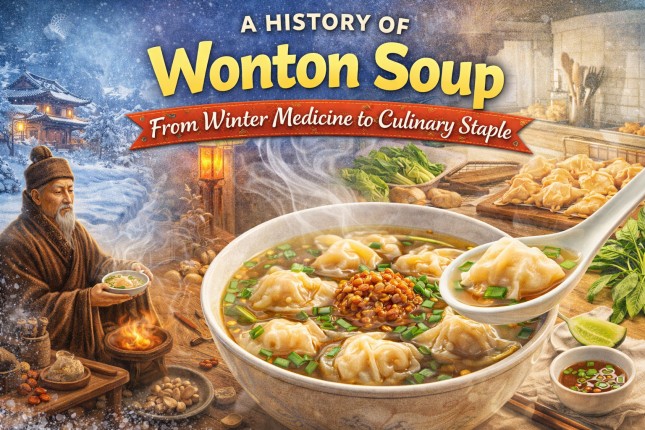
Few dishes feel as comforting as a warm bowl of wonton soup on a cold day. Its delicate dumplings, savoury broth, and gentle aroma create a sense of familiarity that crosses cultures and generations. Yet behind its simple appearance lies a fascinating journey through time. Understanding the history of wonton soup reveals how this humble dish evolved from a seasonal remedy into a beloved culinary staple enjoyed around the world.
Ancient Beginnings in China
To truly appreciate the history of wonton soup, we must begin in ancient China. The word “wonton” is derived from the Cantonese pronunciation of hundun, which loosely translates to “cloud” or “chaos.” The name likely refers to the soft dumplings floating in broth like little clouds.
Historical records suggest that early forms of wonton-like dumplings appeared during the Han dynasty, more than 2,000 years ago. At that time, dumplings were not everyday fare but were often reserved for special occasions and seasonal transitions. They were particularly associated with winter. According to traditional Chinese medical beliefs, warming foods helped balance the body’s internal energies during colder months. As a result, broth-based dumplings became valued not only for taste but also for their perceived healing properties.
The early history of wonton soup shows that it was considered more medicinal than indulgent. Families prepared it to ward off the cold and nourish the body. The broth, often made from simmered bones and aromatics, was believed to strengthen vitality, while the meat-filled dumplings provided sustenance during harsh winters.
From Regional Tradition to Popular Street Food
As centuries passed, wonton soup spread across various regions of China, with each area adding its own touch. In northern provinces, dumplings were typically heartier and thicker-skinned, suited to colder climates. In southern regions, particularly Guangdong, wontons became more delicate, with thin wrappers and finely minced pork or shrimp fillings.
It was in Cantonese cuisine that wonton soup truly flourished. The broth became clearer and lighter, yet deeply flavourful, often simmered for hours with pork bones, dried flounder, and shrimp shells. Street vendors began selling bowls of wonton soup to busy workers and travellers, making it more accessible to everyday people.
During this period, the history of wonton soup shifted from being primarily medicinal to becoming a comforting and affordable meal. It was no longer limited to special occasions or winter months. Instead, it became part of daily life, served in bustling markets and family kitchens alike.
Migration and Global Recognition
The 19th and 20th centuries brought significant waves of Chinese migration to North America and other parts of the world. Immigrants carried their culinary traditions with them, including wonton soup. As Chinese communities established restaurants abroad, they introduced local diners to this comforting dish.
In Canada, Chinese restaurants became cultural meeting points in cities and small towns alike. Wonton soup quickly gained popularity, appreciated for its light broth and satisfying dumplings. Over time, the recipe adapted slightly to local tastes, yet it retained its core identity.
Exploring the history of wonton soup in Canada reveals how food bridges cultures. What once served as winter nourishment in ancient China became a menu staple in Canadian communities, enjoyed year-round. Its journey reflects the resilience and adaptability of culinary traditions in new environments.
The Balance of Simplicity and Skill
One of the most remarkable aspects of the history of wonton soup is how it balances simplicity with craftsmanship. On the surface, it appears straightforward: dumplings and broth. Yet each component requires skill and care.
Traditional wontons are filled with seasoned ground pork, shrimp, ginger, green onions, and sometimes sesame oil. The wrapper must be thin enough to remain delicate yet strong enough to hold the filling without tearing. Folding techniques vary, from simple triangles to more intricate shapes resembling blossoms or purses.
The broth itself demands patience. A well-prepared broth is clear but rich, subtle yet deeply savoury. Achieving this balance requires slow simmering and precise seasoning. In many kitchens, recipes are passed down through generations, preserving family secrets and techniques.
The history of wonton soup is therefore not just about geography or time. It is also about craftsmanship and the dedication of cooks who perfect their methods over years of practice.
A Dish for All Seasons
Although it began as a winter remedy, wonton soup has long outgrown seasonal boundaries. Today, it is enjoyed throughout the year. In colder months, it provides warmth and comfort. In warmer weather, its lighter broth makes it an appealing alternative to heavier meals.
Modern variations have expanded its appeal even further. Some versions include leafy greens, mushrooms, or additional proteins. Others experiment with spicy broths or fusion elements. Despite these creative adaptations, the essence of the dish remains unchanged.
Reflecting on the history of wonton soup reminds us that culinary evolution is natural. While techniques and flavours may shift, the heart of the dish endures: tender dumplings in nourishing broth, prepared with care.
Cultural Symbolism and Family Tradition
Beyond flavour, wonton soup carries symbolic meaning. In Chinese culture, dumplings often represent unity and prosperity. Their rounded shapes can symbolize wholeness and good fortune. Serving wonton soup at family gatherings reinforces bonds and shared heritage.
For many families, preparing wontons together is a cherished activity. Grandparents teach grandchildren how to fold wrappers properly, turning cooking into storytelling and connection. Through these shared moments, the history of wonton soup becomes personal rather than purely historical.
Food historians often point out that dishes endure not just because they taste good, but because they create memories. Wonton soup exemplifies this beautifully.
From Heritage to Modern Dining
Today, wonton soup appears in both humble eateries and refined dining establishments. It adapts effortlessly to casual lunches and elegant dinners alike. Its versatility explains why it continues to thrive centuries after its origins.
In multicultural cities across Canada, diners can savour authentic recipes alongside contemporary interpretations. The dish’s global presence demonstrates how culinary traditions travel, transform, and yet remain rooted in their beginnings.
Understanding the history of wonton soup allows us to appreciate each bowl more deeply. It is not merely a starter or side dish; it is a testament to centuries of cultural exchange, resilience, and shared comfort.
If you are craving a warm, carefully prepared bowl that honours tradition while delivering exceptional flavour, Blue Danube Restaurant invites you to experience it firsthand. Visit Blue Danube Restaurant and discover how a timeless classic can still feel fresh, comforting, and unforgettable with every spoonful.