
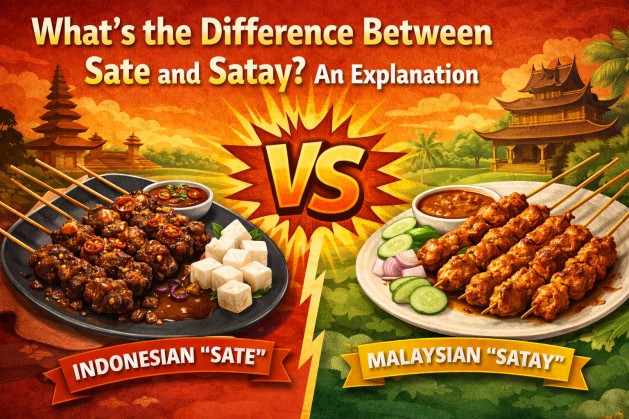
Many food lovers encounter the terms “sate” and “satay” when exploring Southeast Asian cuisine. At first glance, they appear to describe the same dish, and in many situations they do refer to a similar style of grilled meat served with flavorful sauces. However, the subtle differences between the two terms often cause curiosity among diners.
Understanding Sate vs. Satay involves looking at cultural origins, regional language variations, and the ways these dishes have evolved in restaurants around the world. While both share a common culinary heritage, the names and preparations sometimes reflect slightly different traditions.
The Origins of Satay
Satay is widely recognized as a classic Southeast Asian dish consisting of skewered and grilled meat. It is most strongly associated with Indonesia, though variations are popular throughout Malaysia, Thailand, and Singapore.
In traditional preparations, pieces of marinated meat—often chicken, beef, or lamb—are threaded onto skewers and grilled over charcoal. The skewers are then served with a rich peanut-based dipping sauce, along with cucumber slices, onions, and rice cakes.
When discussing Sate vs. Satay, the term “satay” is often used in English-speaking countries to describe this style of skewered grilled meat. Restaurants across North America frequently adopt this spelling because it is familiar to international diners and easier to recognize on menus.
The Meaning of State
“Sate” is essentially another spelling of the same word, but it is more closely aligned with Indonesian language and pronunciation. In Indonesia, the dish is traditionally referred to as “sate,” and it exists in many regional forms.
These regional variations include beef satay, chicken satay, goat satay, and even seafood versions. Each region may use slightly different marinades or sauces depending on local ingredients and culinary traditions.
The discussion around Sate vs. Satay therefore becomes largely linguistic. While the cooking technique and concept remain very similar, the spelling often reflects cultural context or translation differences. Indonesian menus typically use “sate,” while international menus often favour “satay.”
Differences in Sauce and Flavour
Although the names may differ, flavour profiles can also vary depending on the region and recipe. In many Indonesian versions, the sauce used for sate can range from peanut-based to sweet soy, spicy chili, or even coconut-based blends.
In Western interpretations of satay, peanut sauce has become the most recognizable pairing. This sauce typically includes ground peanuts, coconut milk, garlic, chili, and lime juice, creating a rich and savoury flavour that complements grilled meat.
When comparing sate vs. satay, it becomes clear that satay in international cuisine is often associated specifically with peanut sauce, while traditional sate in Southeast Asia may have a wider range of accompanying sauces.
Preparation Techniques
The preparation of both dishes follows similar steps, beginning with marinated meat. The marinade typically includes ingredients such as garlic, turmeric, lemongrass, and soy-based seasonings that infuse the meat with deep flavour.
Once marinated, the meat is skewered and grilled over an open flame or charcoal fire. This method gives the dish its distinctive smoky aroma and lightly charred texture.
Understanding “sate” vs “satay” also involves recognizing that these grilling techniques remain consistent regardless of spelling. The primary focus is on tender, flavorful meat cooked quickly over high heat, creating a balance of smoky and savoury notes.
How the Terms Spread Globally
As Southeast Asian cuisine became more popular around the world, the dish spread to restaurants across Europe, North America, and Australia. Along the way, the spelling “satay” became more common in English-language menus.
This shift occurred partly because the term was easier for international audiences to pronounce and recognize. Over time, both words came to be used interchangeably in many places.
In discussions of Sate vs. Satay, it is helpful to remember that the difference is often more about language than about the dish itself. Both represent the same beloved cooking tradition rooted in Southeast Asian street food culture.
Cultural Significance of the Dish
Beyond its delicious flavour, sate, or satay, carries cultural importance in many Southeast Asian communities. It is frequently served during festivals, family gatherings, and street market events.
Vendors often grill the skewers fresh to order, filling the air with irresistible aromas. Diners enjoy the dish as a snack, appetizer, or even a full meal when served with rice and vegetables.
When exploring Sate vs. Satay, understanding this cultural background helps highlight why the dish remains so widely loved. Its simplicity, bold flavour, and versatility have allowed it to travel far beyond its original roots.
Discover Authentic Flavours at Blue Danube Restaurant
Whether you know it as sate or satay, this classic dish continues to delight diners around the world with its smoky flavour and savoury sauces. Learning about Sate vs. Satay can deepen your appreciation for the traditions and culinary creativity behind this iconic dish.
At Blue Danube Restaurant, we are proud to bring globally inspired flavours to our guests with carefully prepared dishes and fresh ingredients. Visit Blue Danube Restaurant today to explore our menu and enjoy a memorable dining experience filled with rich flavours and authentic culinary inspiration.