
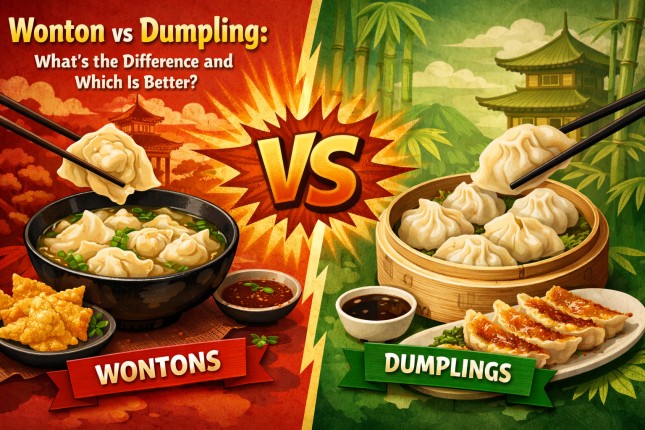
A Delicious Debate That Spans Cultures
Few food debates spark as much curiosity and appetite as the comparison between wontons and dumplings. Both are beloved comfort foods, both have deep cultural roots, and both appear on menus around the world in countless variations. Yet many diners still wonder what truly separates them. Is it the wrapper, the filling, the cooking method, or simply tradition? The conversation around Wonton vs Dumpling is more than a culinary argument; it is a journey through history, technique, and taste.
At first glance, wontons and dumplings may seem interchangeable. They are often folded parcels of dough filled with meat, seafood, or vegetables. However, subtle differences in preparation, texture, and flavour give each its own personality. Understanding these differences helps diners appreciate why both have earned a lasting place in global cuisine.
Origins and Cultural Background
Wontons have their roots in Chinese cuisine, particularly in southern China. Traditionally, they were served in light, aromatic broths and associated with warmth, nourishment, and family gatherings. Dumplings, on the other hand, have a broader definition. While Chinese jiaozi are perhaps the most famous, dumplings exist across many cultures, from Eastern Europe to East Asia, each with its own interpretation.
This wide reach often blurs the lines, making the Wonton vs Dumpling discussion even more interesting. In Chinese culture, wontons are typically linked with soups and delicate flavours, while dumplings are often heartier and enjoyed during celebrations such as Lunar New Year. These cultural contexts influence how each is prepared and consumed, shaping their unique identities.
Wrappers: Thin Elegance vs Versatile Dough
One of the clearest differences lies in the wrapper. Wonton wrappers are usually thinner and more delicate, often square in shape. They are designed to be silky when boiled and slightly crisp when fried, allowing the filling and broth to shine through. This thinness gives wontons a refined texture that feels light on the palate.
Dumpling wrappers, by contrast, tend to be thicker and more resilient. They can be round or oval and are built to handle a variety of cooking methods, including steaming, boiling, and pan-frying. The dough itself contributes more to the overall bite, making dumplings feel more substantial. This distinction plays a major role in the ongoing Wonton vs Dumpling comparison, especially for those who value texture as much as taste.
Fillings and Flavour Profiles
Both wontons and dumplings can be filled with similar ingredients, such as pork, chicken, shrimp, or vegetables. However, the seasoning often differs. Wonton fillings are typically finely minced and lightly seasoned, allowing subtle flavours to come through without overpowering the dish. Garlic, ginger, and scallions are common, but the overall profile remains gentle and balanced.
Dumpling fillings often lean bolder. Depending on the style, they may include napa cabbage, chives, soy sauce, sesame oil, or stronger spices. The filling is usually more textured, giving each bite a satisfying contrast between wrapper and centre. When people debate Wonton vs Dumpling, flavour intensity is often a deciding factor, with some preferring the delicacy of wontons and others craving the richness of dumplings.
Cooking Methods and Presentation
Wontons are most famously served in soup, floating in a clear broth that enhances their lightness. They can also be deep-fried, becoming crisp on the outside while remaining tender inside. Their presentation often feels elegant and comforting, making them a favourite starter or light meal.
Dumplings are incredibly versatile. They can be steamed until pillowy, boiled until tender, or pan-fried to create a crispy base. This flexibility allows dumplings to adapt to many dining occasions, from street food snacks to centrepieces at festive meals. The variety of cooking techniques further fuels the Wonton vs Dumpling discussion, as each method brings out different qualities in the dish.
Which One Is Better? It Depends on the Moment
Asking which is better often says more about the diner’s mood than the food itself. Wontons are ideal when you want something soothing, light, and aromatic. They are perfect for cooler days, gentle appetites, or when you crave comfort without heaviness.
Dumplings shine when you are hungry for something filling and satisfying. Their thicker wrappers and robust fillings make them feel indulgent and celebratory. In the ongoing Wonton vs Dumpling debate, there is no absolute winner, only different experiences tailored to different moments.
Appreciating Both at the Table
Rather than choosing sides, many food lovers find joy in appreciating both. Understanding the craftsmanship behind each dish deepens the dining experience. From the careful folding of a wonton to the hearty bite of a dumpling, each reflects centuries of culinary tradition and regional pride.
At Blue Danube Restaurant, we celebrate the beauty of global flavours and the stories behind them. Whether you are drawn to delicate textures or bold, comforting bites, our menu invites you to explore dishes made with care and authenticity. Visit Blue Danube Restaurant and let your taste buds decide which side of the debate you love most, better yet, enjoy both and savour the difference.