
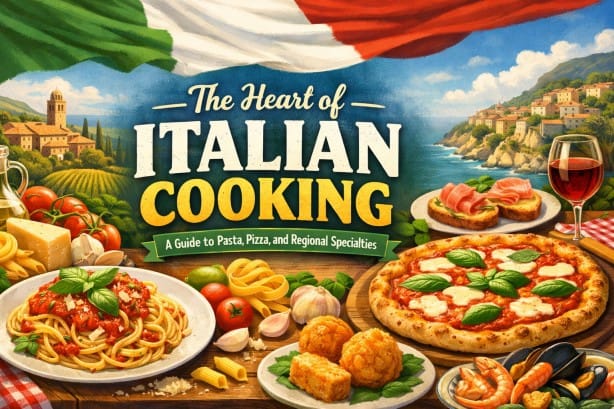
Italian cooking is built on heritage, simplicity, and respect for ingredients. Rooted in family traditions and shaped by geography, it reflects how everyday meals can become meaningful cultural experiences. More than recipes, the cuisine tells stories of regions, seasons, and generations gathered around the table. At its core, Italian food is about balance—letting quality ingredients speak without unnecessary complexity.
Pasta: The Soul of the Italian Table
Pasta is central to Italian culinary identity, yet it is never treated as a single, uniform dish. From long strands to stuffed parcels, pasta shapes are chosen carefully to complement sauces and textures. In northern regions, egg-based pasta such as tagliatelle and tortellini pairs well with butter, cream, or slow-cooked meat sauces. Southern areas favour durum wheat pasta, often served with tomato, olive oil, garlic, and fresh herbs.
Classic preparations like carbonara, cacio e pepe, and ragù alla bolognese demonstrate restraint and technique. These dishes rely on timing, temperature, and precision rather than excessive seasoning. The beauty of pasta lies in its adaptability, making it a daily staple that feels comforting yet endlessly varied across Italy.
Pizza: From Street Food to Global Icon
Pizza began as humble street food in Naples, designed to be affordable, filling, and flavourful. Traditional Neapolitan pizza uses a soft, airy crust topped with tomatoes, mozzarella, olive oil, and basil. The dough is fermented slowly, creating a light texture that enhances rather than overwhelms the toppings.
As pizza travelled north and beyond Italy, regional styles emerged, but authenticity remains rooted in simplicity. Italian pizza focuses on balance, not overload. The emphasis on proper dough hydration, high-heat baking, and fresh toppings reflects the same philosophy seen throughout Italian food—less decoration, more intention.
Northern Italy: Richness and Refinement
Northern Italian cuisine reflects cooler climates and agricultural abundance. Butter often replaces olive oil, and rice plays a prominent role. Risotto, prepared slowly with broth and finished with cheese, showcases patience and technique. Polenta, once considered peasant food, now appears in refined preparations alongside meats and vegetables.
Cheeses such as Parmigiano-Reggiano and Gorgonzola add depth, while cured meats and mushrooms enrich sauces. The north’s cuisine feels comforting and elegant, shaped by Alpine influences and neighbouring European traditions.
Central Italy: Rustic and Balanced Flavours
Central Italy is known for its straightforward, rustic dishes that highlight a few strong ingredients. Tuscany emphasizes olive oil, beans, bread, and grilled meats, creating food that feels honest and grounded. Rome contributes iconic pasta dishes built around cheese, pepper, eggs, and cured pork.
These recipes often emerged from necessity, yet they remain timeless because of their balance. Nothing is wasted, and flavours are layered thoughtfully. Central Italian cooking reflects a strong connection between land, produce, and daily life.
Southern Italy and the Islands: Sun-Driven Simplicity
Southern Italian cuisine celebrates the Mediterranean lifestyle. Tomatoes, eggplant, citrus, seafood, and fresh herbs dominate the table. Olive oil is essential, used generously but purposefully. Dishes are vibrant, reflecting warmer climates and coastal influences.
Sicily and Sardinia add unique elements shaped by centuries of cultural exchange. Sweet-and-sour combinations, dried fruits, and seafood-based pastas highlight diversity within Italian cooking. Despite regional differences, the core values remain unchanged—fresh ingredients and respect for tradition define Italian food everywhere.
Desserts, Coffee, and the Rhythm of Meals
Italian desserts are refined yet restrained. Tiramisu, panna cotta, and cannoli focus on texture and subtle sweetness rather than excess sugar. Coffee culture is equally important, with espresso enjoyed quickly at the bar or slowly after meals.
Meals follow a natural rhythm, from antipasto to dessert, encouraging conversation and connection. Food is not rushed, and dining is treated as a shared experience rather than a task.
Italian Cooking Beyond the Kitchen
Italian cuisine is inseparable from lifestyle and identity. Recipes are passed down through families, adapted slightly but rarely abandoned. Cooking is an expression of care, and meals often mark celebrations, holidays, and everyday moments alike.
The enduring appeal of Italian food lies in its ability to feel both familiar and special. It welcomes everyone, offering comfort without sacrificing character.
If you would like to enjoy authentic Italian flavours crafted with care and tradition, visit Blue Danube Restaurant and experience the heart of Italy through thoughtfully prepared dishes made for sharing and savoring.